-
Built to Bias: The Craft, Design and Engineering Behind Hiring Decisions
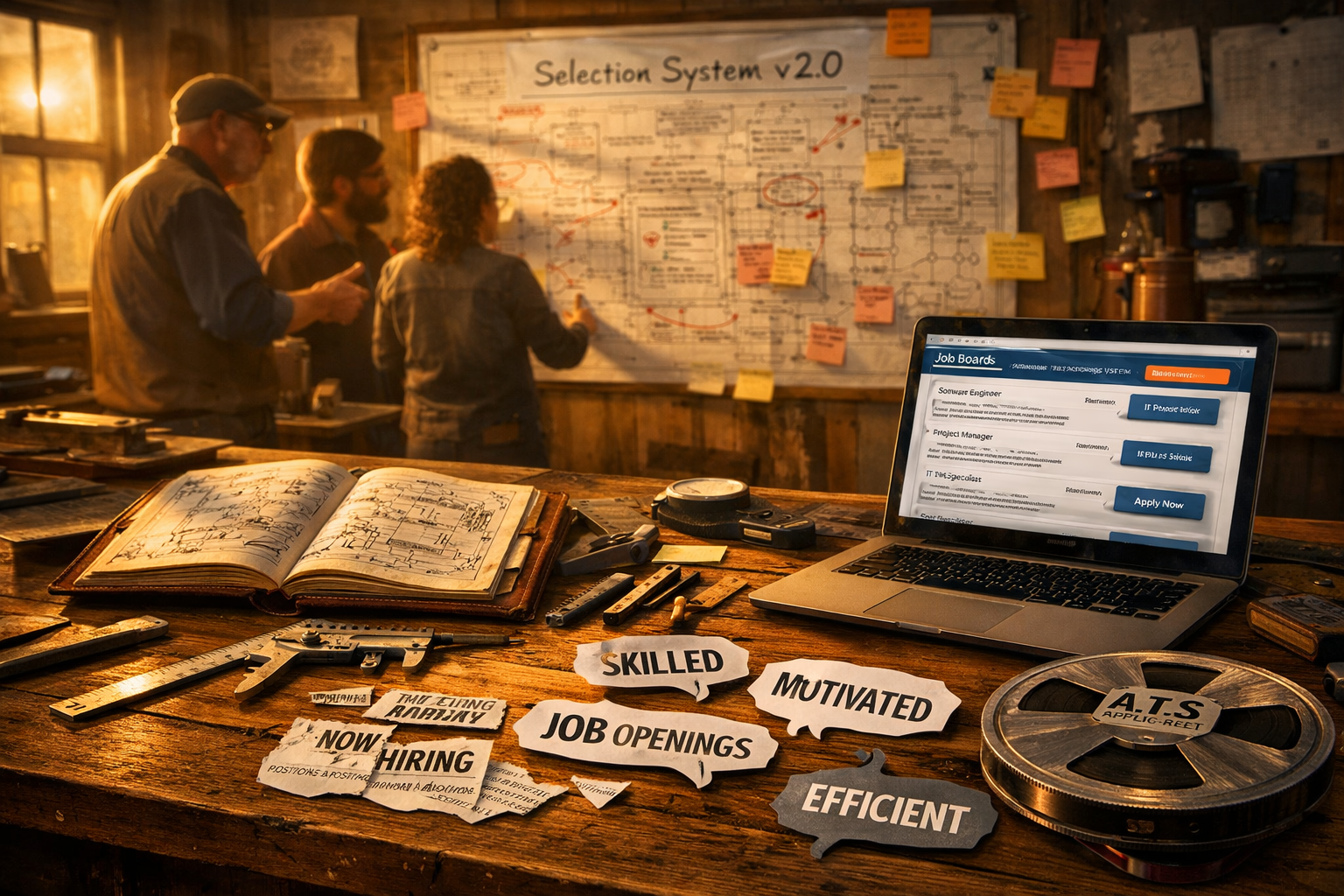
When Bias Feels Like a Well–Made Machine Think of hiring as a piece of industrial design: a machine intended to turn inputs (candidates) into outputs (hires). Bias isn’t a glitch — it’s often intentional engineering, a set of levers, gears and tolerances built into process, language and tools. Recruiters tune job descriptions like dials, hiring…
-
How to Spot Red Flags and Ditch Poor‑Quality Salary Negotiations
Treat Negotiation Like Inspecting Second‑hand Goods Think of a salary discussion like buying a high‑end watch from an online marketplace. At first glance everything can look glossy; the devil lives in the fine print and the feel of the seller. Start by running quick quality checks: do they give you a clear salary band or…
-
How Companies Are Getting Creative with Disability Hiring: Micro-Tasks, Sensory Labs and Apprenticeship Cafés
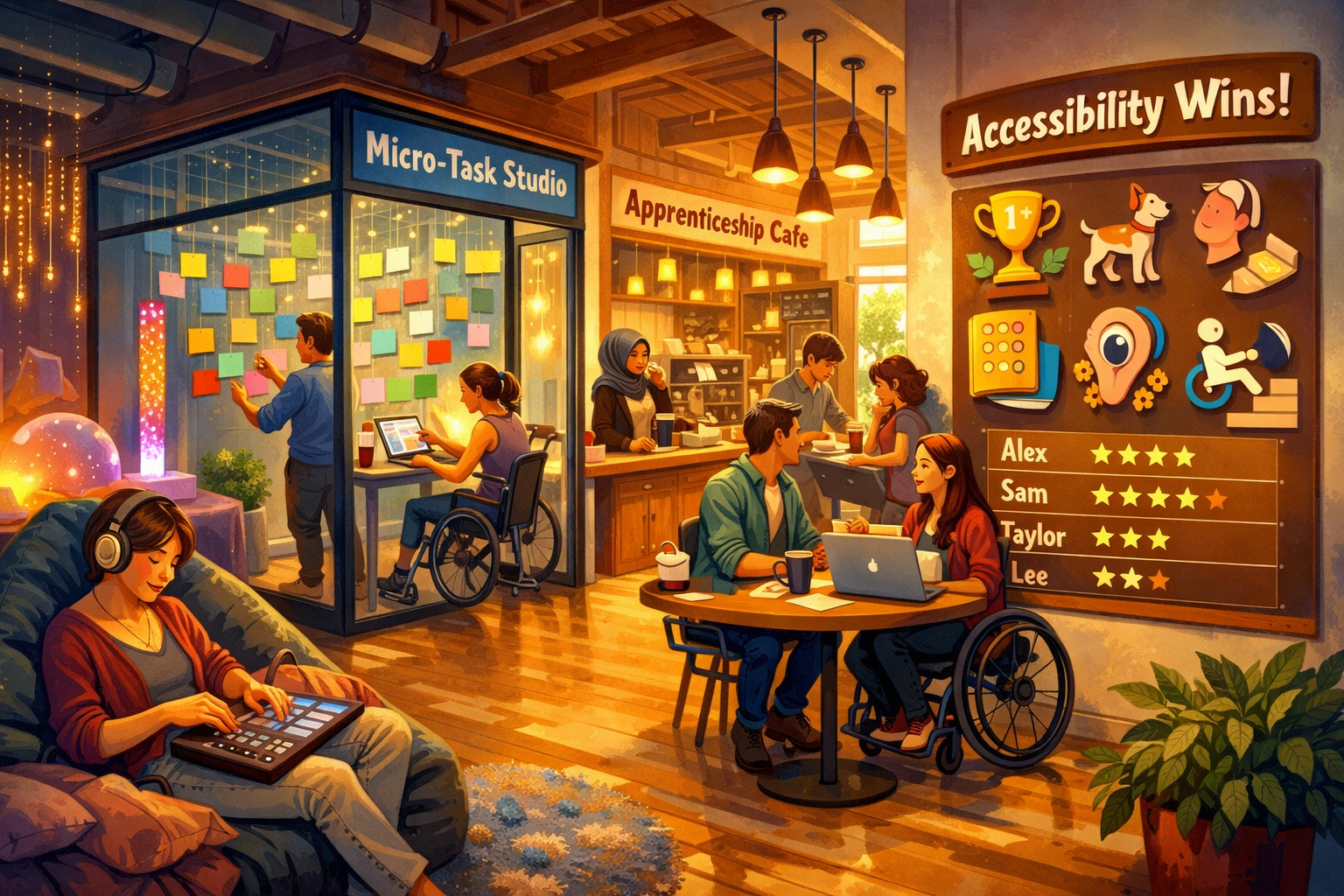
The Museum of Micro-Tasks: Reimagining Productivity Imagine a space in your company devoted to tiny, curated work — a museum of micro-tasks where employees with diverse neurotypes co-curate short, focused job fragments. Instead of forcing everyone into 9-to-5 roles, businesses are breaking down workflows into modular, beautifully described tasks that anyone can sign up to…
-
Equality as an Engineering Choice: How Diverse Hiring Solves Real-World Problems

The Unconventional Toolkit: Why Diversity Is a Problem-Solving Engine When we talk about employment equality and diversity, we usually default to fairness, regulation and culture change. That’s all true — but there’s a sharper, less discussed angle: diversity functions like a practical engineering tool. Teams made up of people with different life experiences, neurotypes, ages…
-
Free but Fuller: The Big Trends Rewriting Free Recruitment Websites
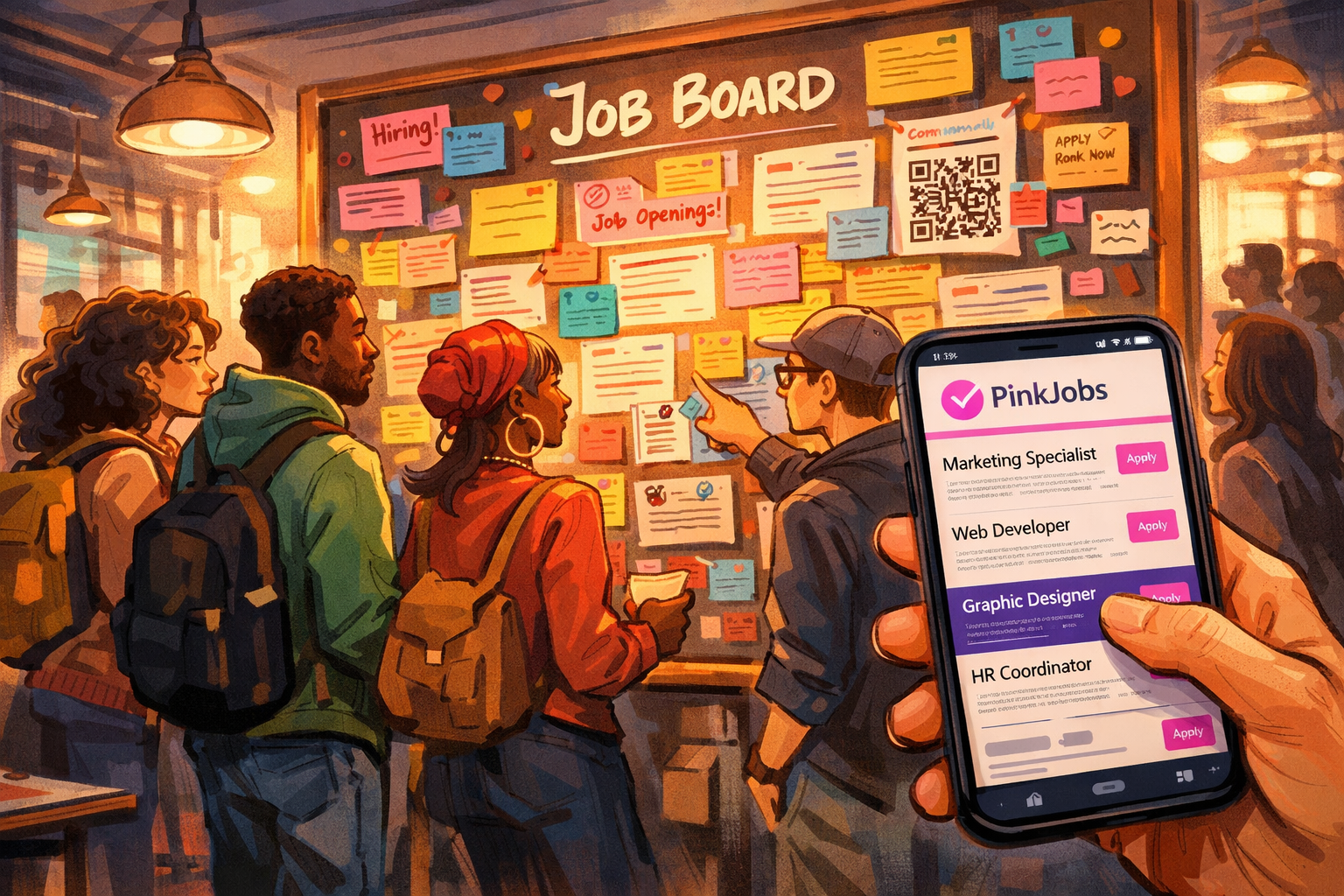
Why free job boards are suddenly cool again There’s a quiet rebellion happening in recruitment: free job boards are shedding their bargain-basement reputation and becoming hubs of creativity, community and purpose. Rather than being simple classified pages, these sites now act as cultural signposts for sectors, values and working styles. For employers and candidates tired…
-
Weaving the Job Hunt into Your Life: Practical Habits for a Modern Search
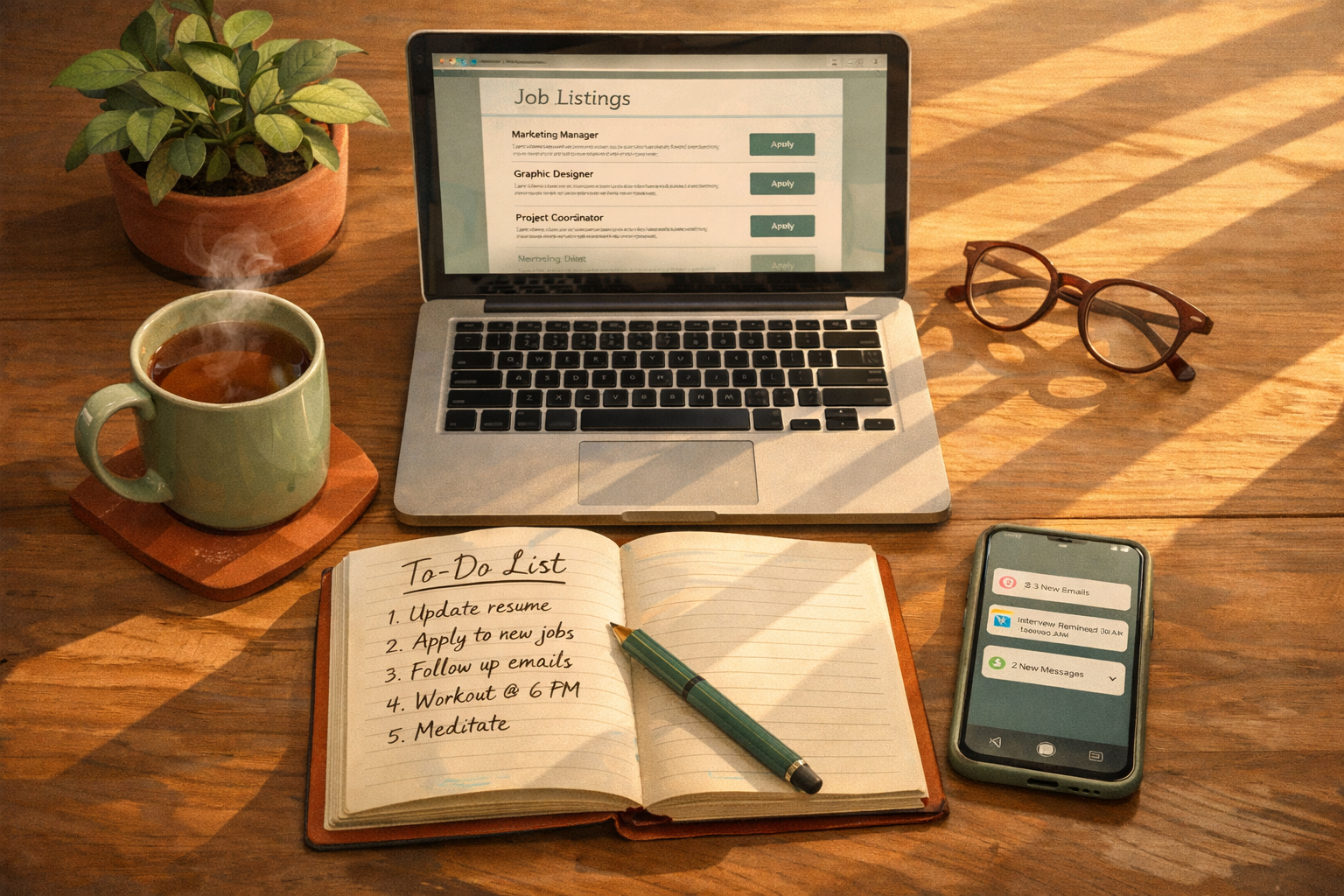
Why job-hunting should feel like part of your day, not a sideline panic Most advice treats job-hunting like an event: polished CV, frantic applications, hopeful silence. But in a world where work and life blur, the smart approach is to weave the search into your daily flow so it becomes sustainable, low-anxiety and more effective.…
-
What Real Customers Wish They Knew Before Buying into Online Job Websites
The Quiet Regret: What People Really Mean by ‘It Wasn’t What We Expected’ Customers don’t often say ‘we regret our job board choice’ outright. They describe symptoms: low response rates, irrelevant CVs, unexpectedly high admin time, or a brand that feels invisible. What they really mean is they invested money and effort and learned too…
-
DEI as Craft: Designing, Engineering and Maintaining Inclusive Workplaces

A surprising workshop: thinking of DEI as craftsmanship Most conversations about Diversity, Equity and Inclusion (DEI) treat it as policy or culture — lists of initiatives, training modules and KPI dashboards. But what if we approached DEI the way a master craftsman approaches a piece of furniture: with plans, tools, materials and an obsessive attention…
-
Spotting the Smoke: How to Identify and Avoid Poor-Quality Workplace Diversity and Inclusion
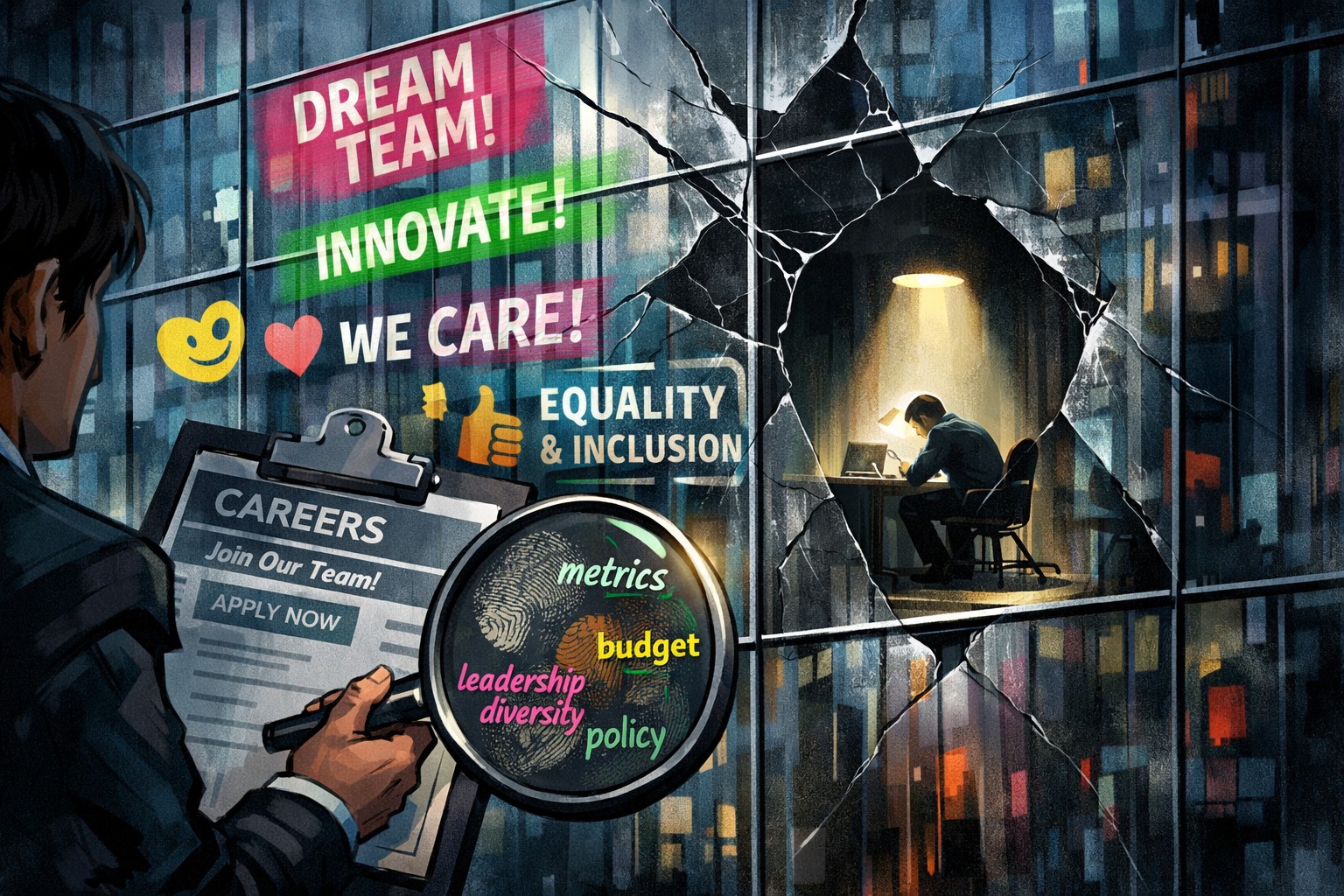
When Inclusion Is a Sticker, Not a Strategy Let’s start with a provocation: if a company treats diversity like a brand colour, you’ll see it before you feel it. Organisations love the optics of inclusion — a Pride logo on a Twitter header, a single ‘D&I lead’ in a corner office, panels with the same…
-
Hiring 2.0: How the Process Will Evolve From Pipeline to Living Marketplace

The Hiring Journey as a Living Ecosystem Imagine the hiring process not as a funnel but as an ecosystem — adaptive, interconnected and constantly negotiating with external forces. In the next five years that mental model will shift hiring design from rigid stages to fluid experiences. Candidates are not passengers to be screened; they are…

Pink Jobs Blog – Find a job, or list your vacancies on our free job board.
The latest Equal Opportunities based news from around the world.