-
Nobody Shows You The First Draft: What The Experts Really Say About Building An Online Brand
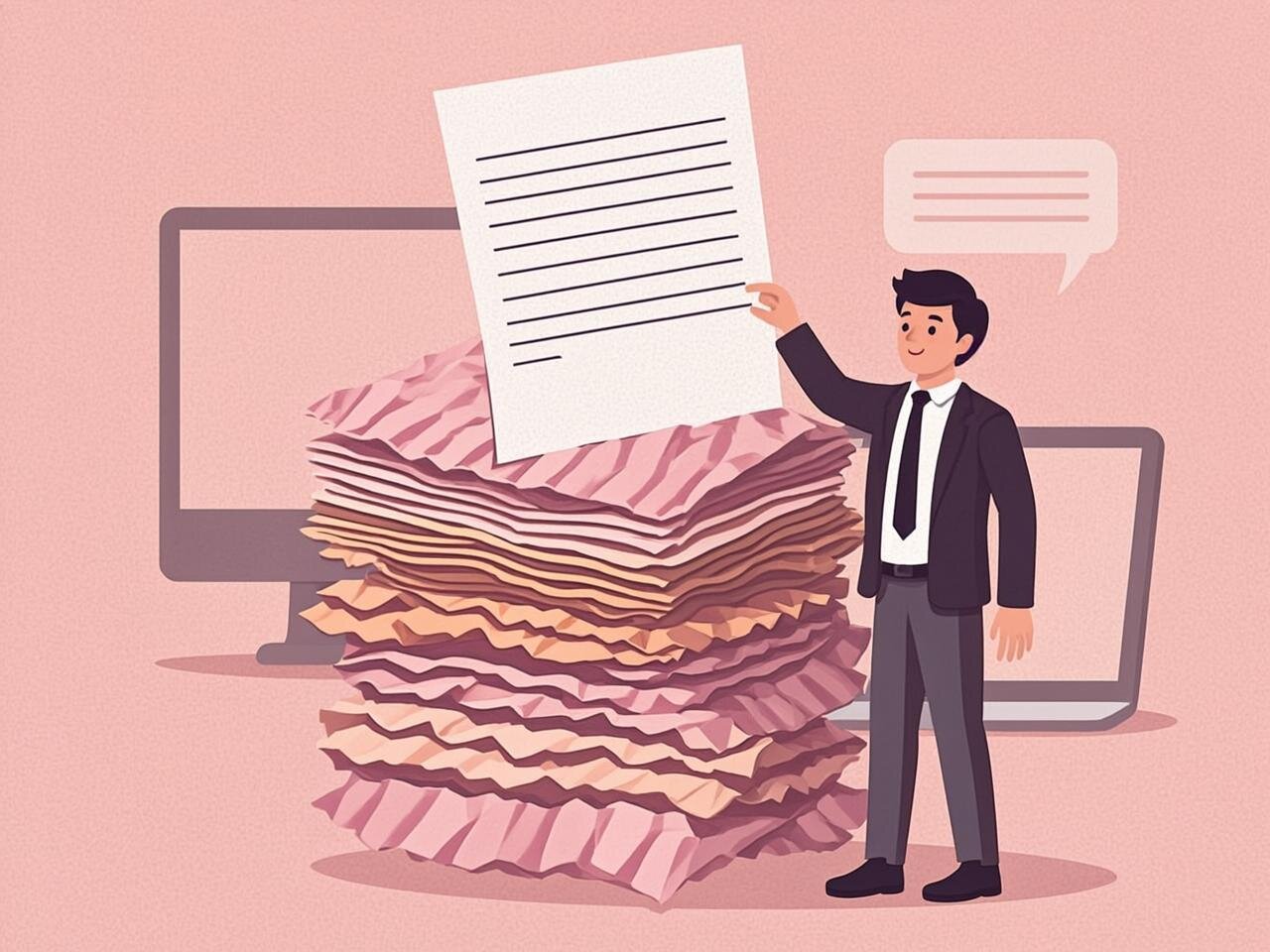
The Uncomfortable Confession From The Top Here’s something nobody puts on a motivational poster: most successful professionals secretly cringe when they look back at their first attempts at building an online brand. I’ve spent weeks digging through interviews, podcast transcripts and LinkedIn threads where experts actually speak candidly, and the pattern is striking. Executives who…
-
Going Freelance? Your First-Year Self Assessment Survival Guide

Going freelance is one of the biggest career moves you can make. You choose your clients, your hours and, for many people, a working environment where you can simply be yourself. What nobody puts in the job advert is the paperwork. Once you’re self-employed in the UK, you’re also your own payroll department, and HMRC…
-
The Job Search Got Hacked — And It’s Quietly Rewriting the Rules of Hiring Itself

When the Hunters Became the Hunted Here’s a plot twist nobody saw coming: the great optimisation of the digital job search hasn’t just made finding work easier — it’s flipped the entire power dynamic of recruitment. For decades, job hunting was a numbers game rigged in the employer’s favour. You’d fire off fifty CVs into…
-
The Quiet Problems Salary Negotiation Knowledge Fixes That Nobody Talks About

It’s Not About the Money (Mostly) When people hear ‘salary negotiation’, they picture a sweaty-palmed standoff in a boardroom, a nervous candidate asking for more money and a stony-faced manager saying ‘we’ll see’. But here’s the thing nobody tells you: understanding compensation trends and negotiation actually solves a whole bundle of problems that have nothing…
-
The Accidental Village: How Career Changes Are Quietly Rebuilding Our Communities
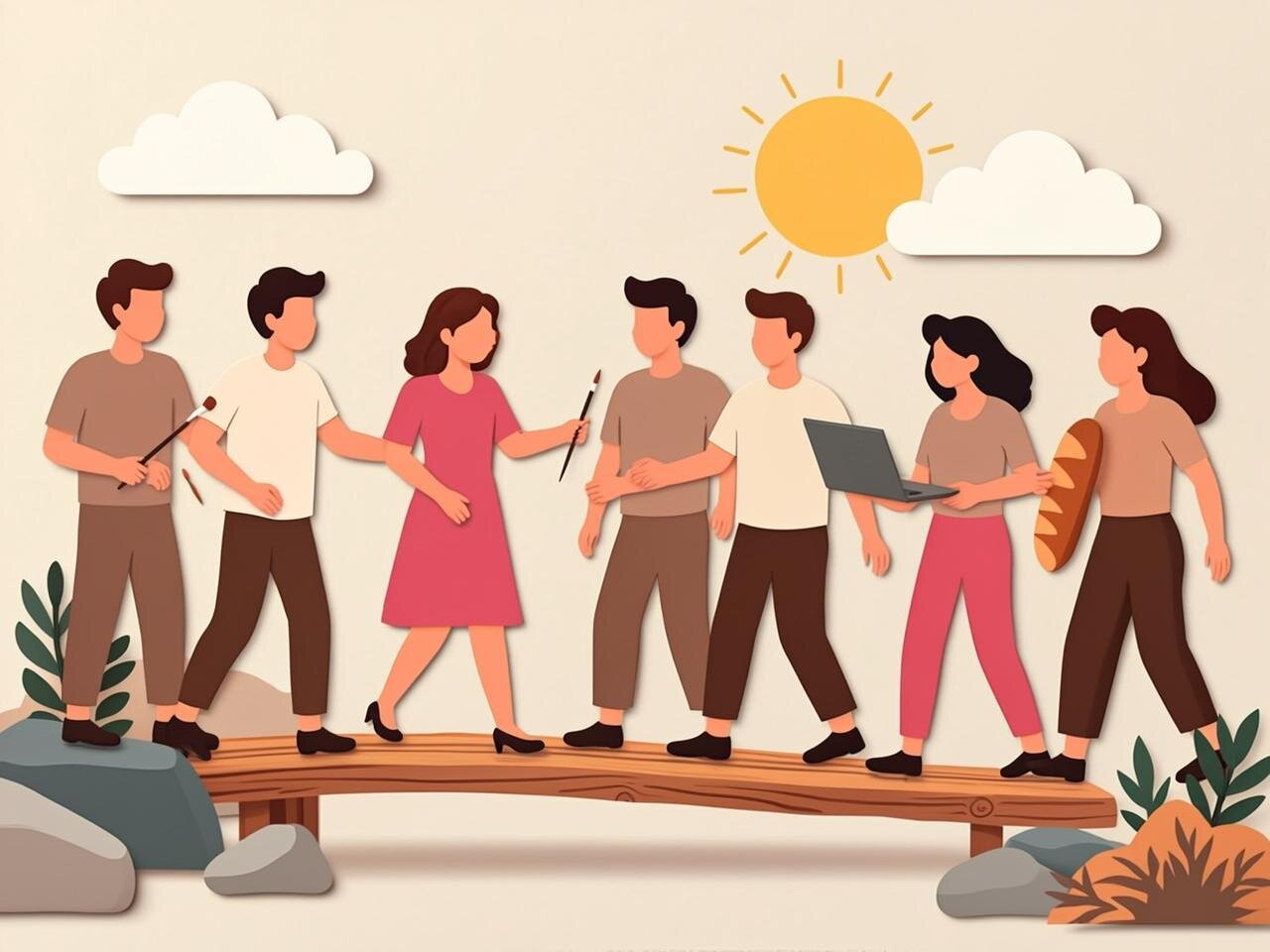
Nobody Changes Careers Alone (Even Though It Feels That Way) Picture the classic career change story: someone sitting alone at midnight, scrolling job boards, rewriting their CV for the eleventh time, convinced they’re the only person on earth who spent twelve years in logistics before realising they wanted to work in healthcare. It’s a lonely…
-
The Office Is Dead, Long Live the Office: Why 2030’s Hybrid Work Will Look Nothing Like 2026’s

The Third Act of Remote Work Nobody Saw Coming Here’s a prediction that might ruffle feathers: the hybrid work debate of 2020–2025 will, in hindsight, look like people arguing about fax machine protocols in 1985. We weren’t debating the future of work — we were arguing about the transitional scaffolding before the real transformation arrived.…
-
Be the Hub, Not Just a Node: Why Giving Away Connections Is the Sharpest Competitive Edge in Business

The Asset Your Accountants Can’t Count Here’s a slightly uncomfortable truth for anyone who runs a business: your competitor can probably reverse-engineer your product in six months. They can match your pricing by Friday. They can copy your website design in an afternoon. But there is one thing they cannot replicate, no matter how big…
-
Gazumped by a Spreadsheet: A First-Time Buyer’s Guide to the Skills Market

Welcome to the Skills Housing Market Nobody tells you this, but picking a workplace skill to learn is a property purchase. You’re not idly browsing a course catalogue — you’re a first-time buyer, and your deposit is made of evenings, weekends and whatever energy your day job hasn’t already devoured. Like any first-time buyer, you’ve…
-
The Interview Mastery Trap: What Seasoned Candidates Wish They’d Known Before They Started

The Confidence Paradox: When Preparation Becomes Your Enemy Meet Sarah. She spent three months memorising answers to the ‘top 50 interview questions’. She practised in front of mirrors, recorded herself on her phone, and even paid for a mock interview service. By the time she walked into that marketing agency in Manchester, she could recite…
-
Your CV Is Now a Prediction Engine: How Resume Optimisation Became Algorithmic Storytelling
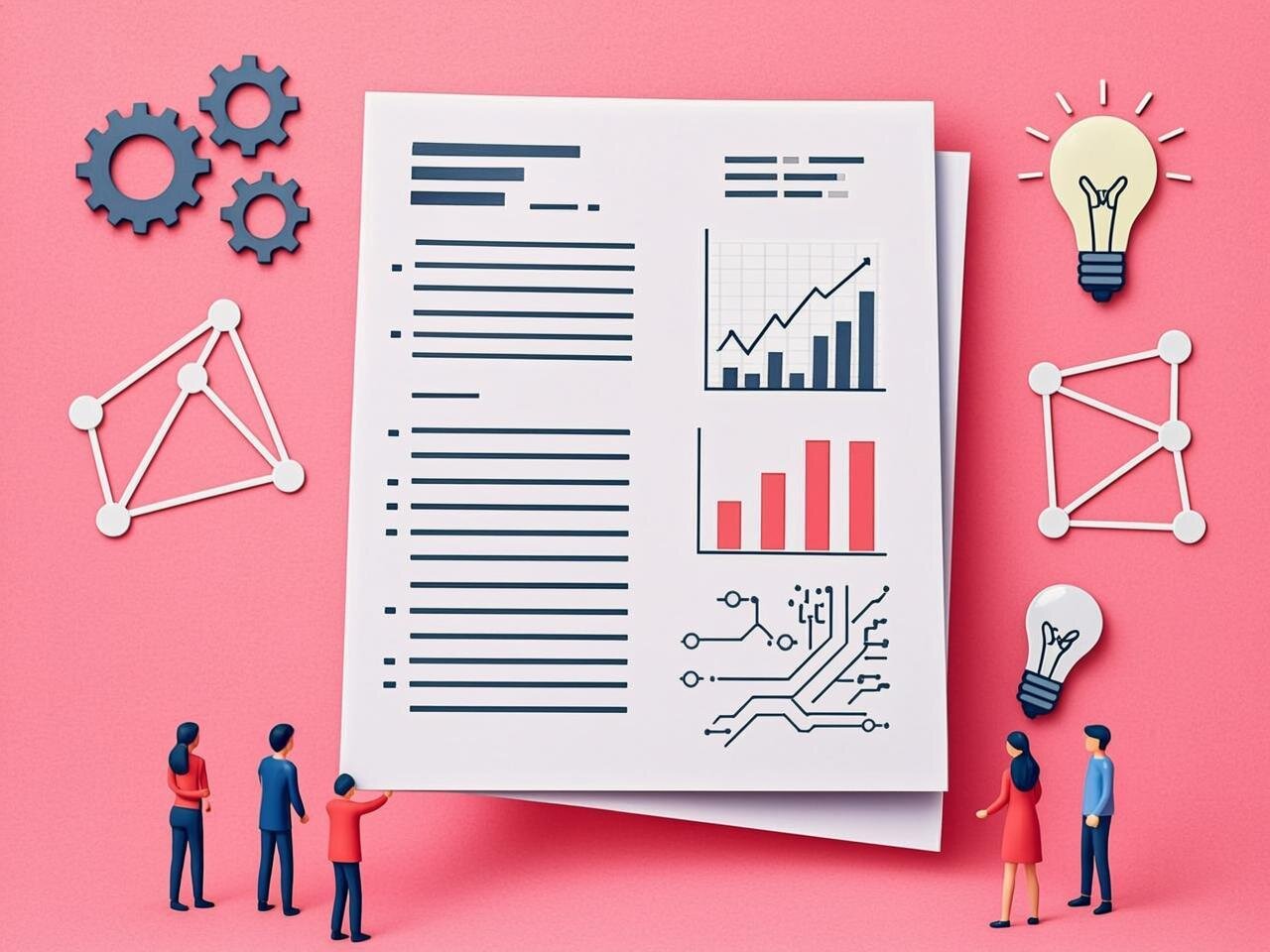
From Career Obituary to Crystal Ball Remember when a CV was essentially a professional obituary? You’d list where you’d been, what you’d done, and hope someone would read between the lines to figure out what you might do next. Those days are gone, and frankly, good riddance. Over the past few years, something fascinating has…

Pink Jobs Blog – Find a job, or list your vacancies on our free job board.
The latest Equal Opportunities based news from around the world.