-
What Experts Really Do: Neurodiversity, Design and the New Rules of Inclusive Workplaces
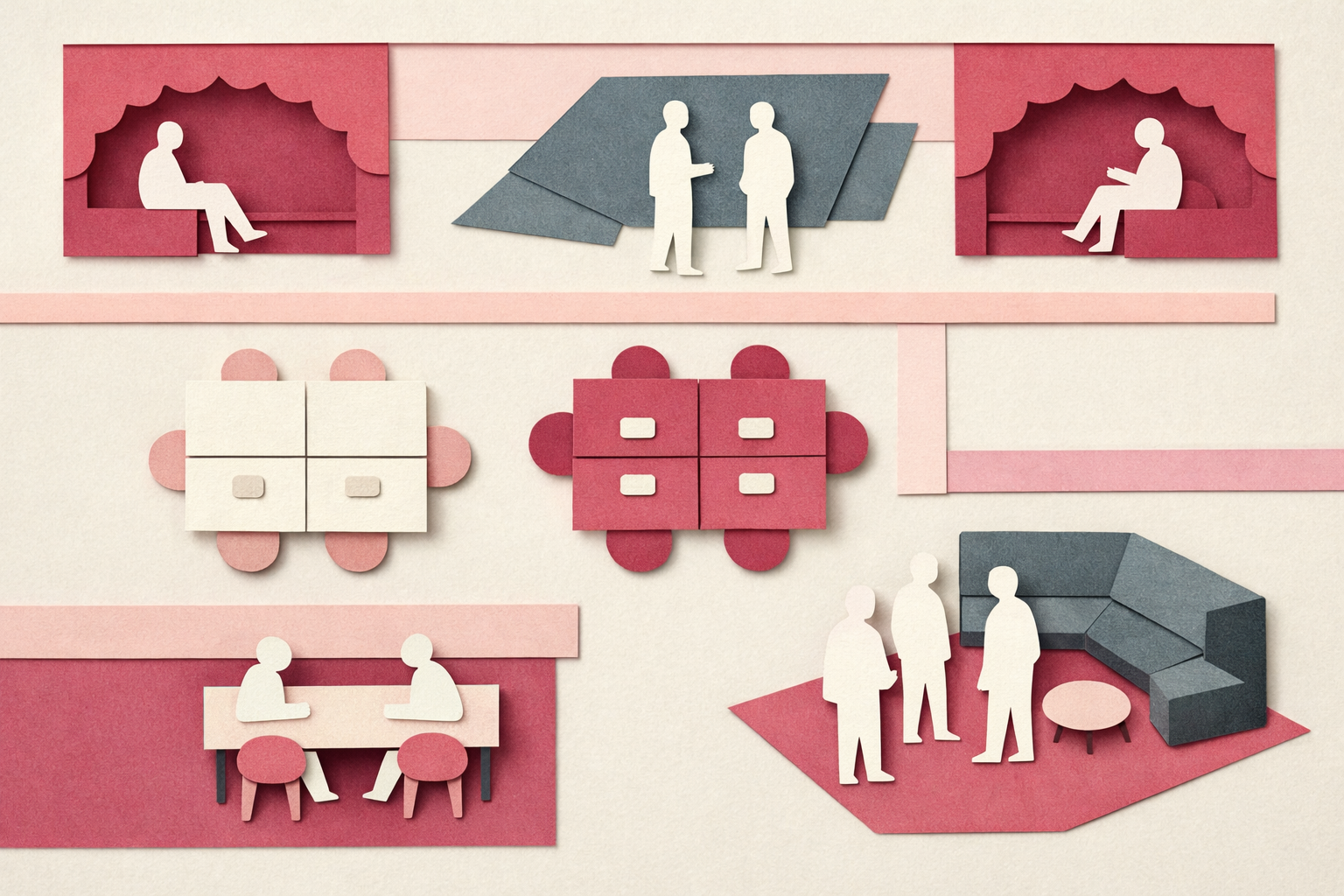
Why ask the experts? A different starting point Most pieces on neurodiversity in the workplace start with definitions and accommodation checklists. I spoke to consultants, inclusive-design architects and occupational psychologists who said something bolder: stop treating neurodiversity as a problem to be fixed and start treating it as an engine for better workplace design. They…
-
When Resumes Tell Stories: Human Journeys Through a Fairer Recruitment Funnel
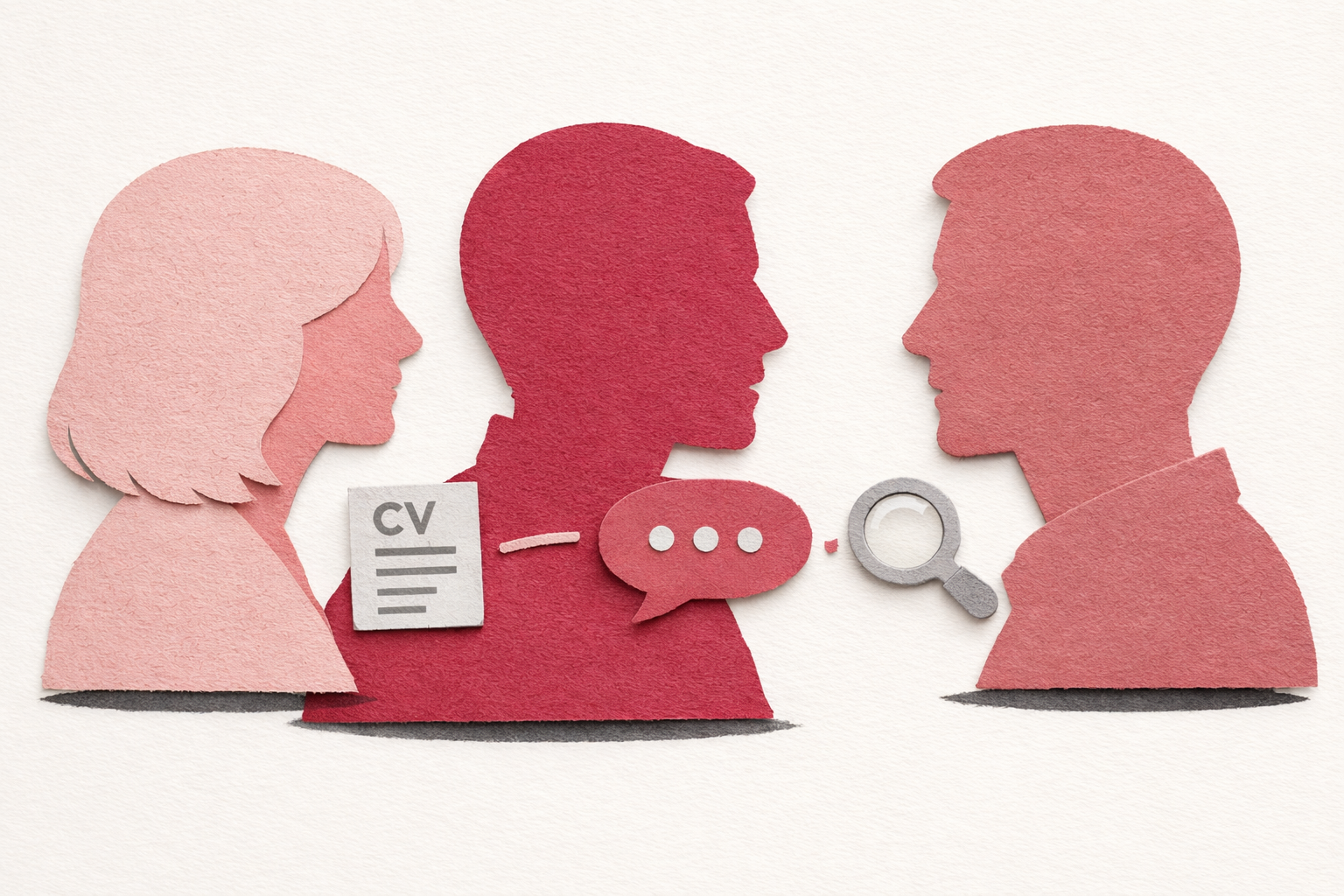
The Door That Was Almost Closed When Sara first applied for a junior data role, she didn’t expect anything special — just another form, another portal. She tells me she crafted her application in the small hours after her second job shift, choosing words that sounded ‘professional’. Two weeks later she got a rejection with…
-
Signal, Locality and Micro-Trust: the Trends Quietly Rewiring Hiring Online
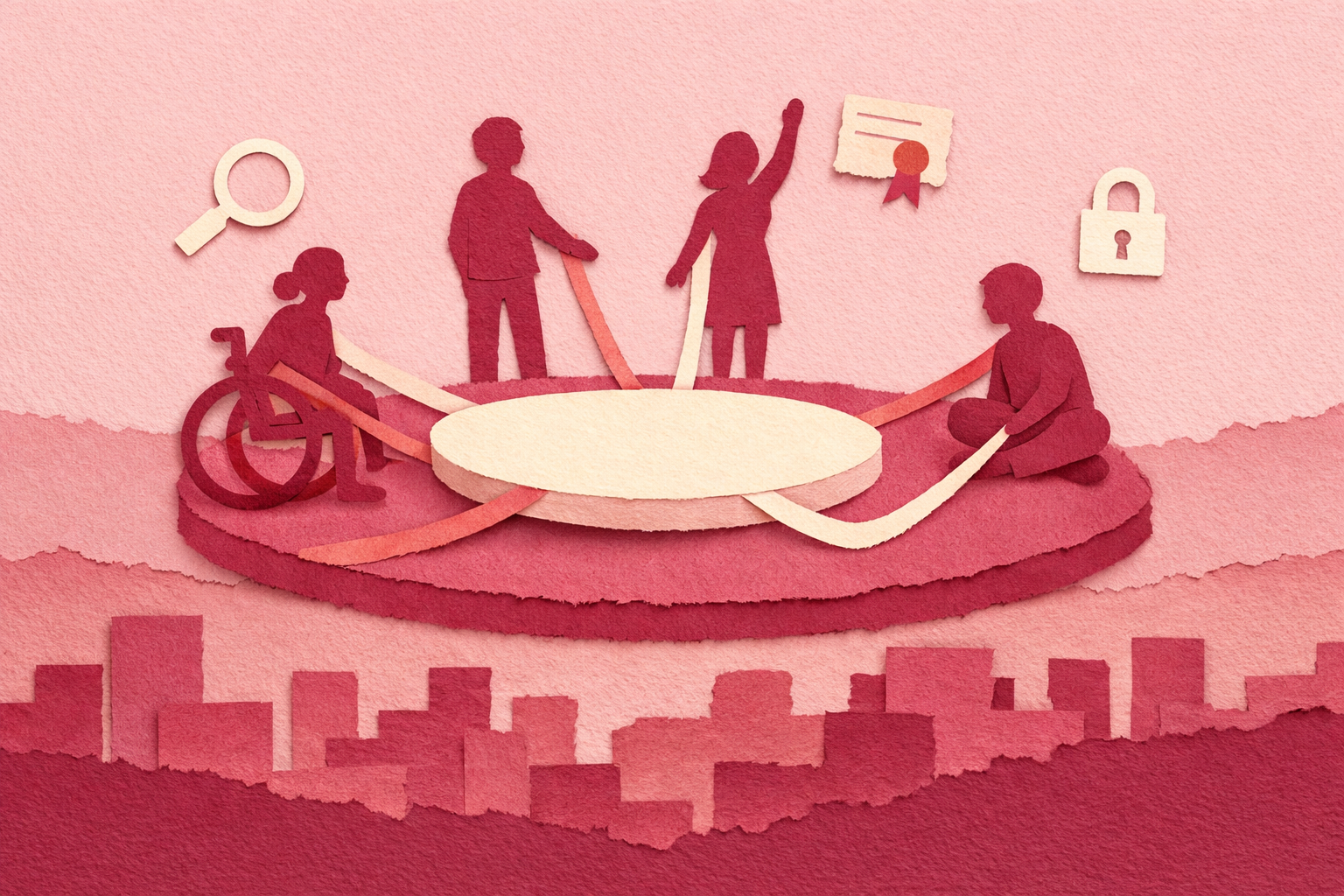
Why the Algorithm is Now a Colleague, Not a Gatekeeper We used to talk about algorithms like faceless tools. Now they behave like colleagues with preferences, quirks and reputations. Recruiters are learning to read algorithmic signals the same way salespeople read body language — where a platform prioritises keywords, video responses or micro-assessments changes who…
-
What Workplace Mental Health Teaches Us About Innovation and Quality

A surprising lens: mental health as an innovation engine Most workplace conversations treat mental health as a compliance checkbox or a wellbeing perk. What if we treat it like an R&D budget instead? When teams feel psychologically safe, they don’t just stop burning out — they start experimenting more, sharing half-formed ideas and iterating openly.…
-
What Experts Really Say About Inclusive Onboarding: Secrets from Practitioners, Not Playbooks

The surprising commonality: experts agree onboarding is a first-date problem When I asked HR strategists, diversity consultants and neurodiversity coaches what keeps them awake at night about onboarding, their answers converged on an unexpected metaphor: the first date. Recruiters spoke about the fragile chemistry of first impressions; employee experience designers talked about sensory overload and…
-
The Quiet Economies of Inclusion: How Underrepresented Hires Save Time, Money and Effort

An Unseen ROI: How Different Perspectives Speed Decision-Making When a team is dominated by the same background, decisions often circle back into long, cautious loops: more meetings, more pilot projects, more ‘what-ifs’. Underrepresented hires bring divergent heuristics — mental shortcuts shaped by different life experiences — that can collapse those loops. Instead of re-litigating the…
-
Don’t Buy the Label: The Top Mistakes People Make When ‘Shopping’ for BAME Inclusion (and What to Pick Instead)
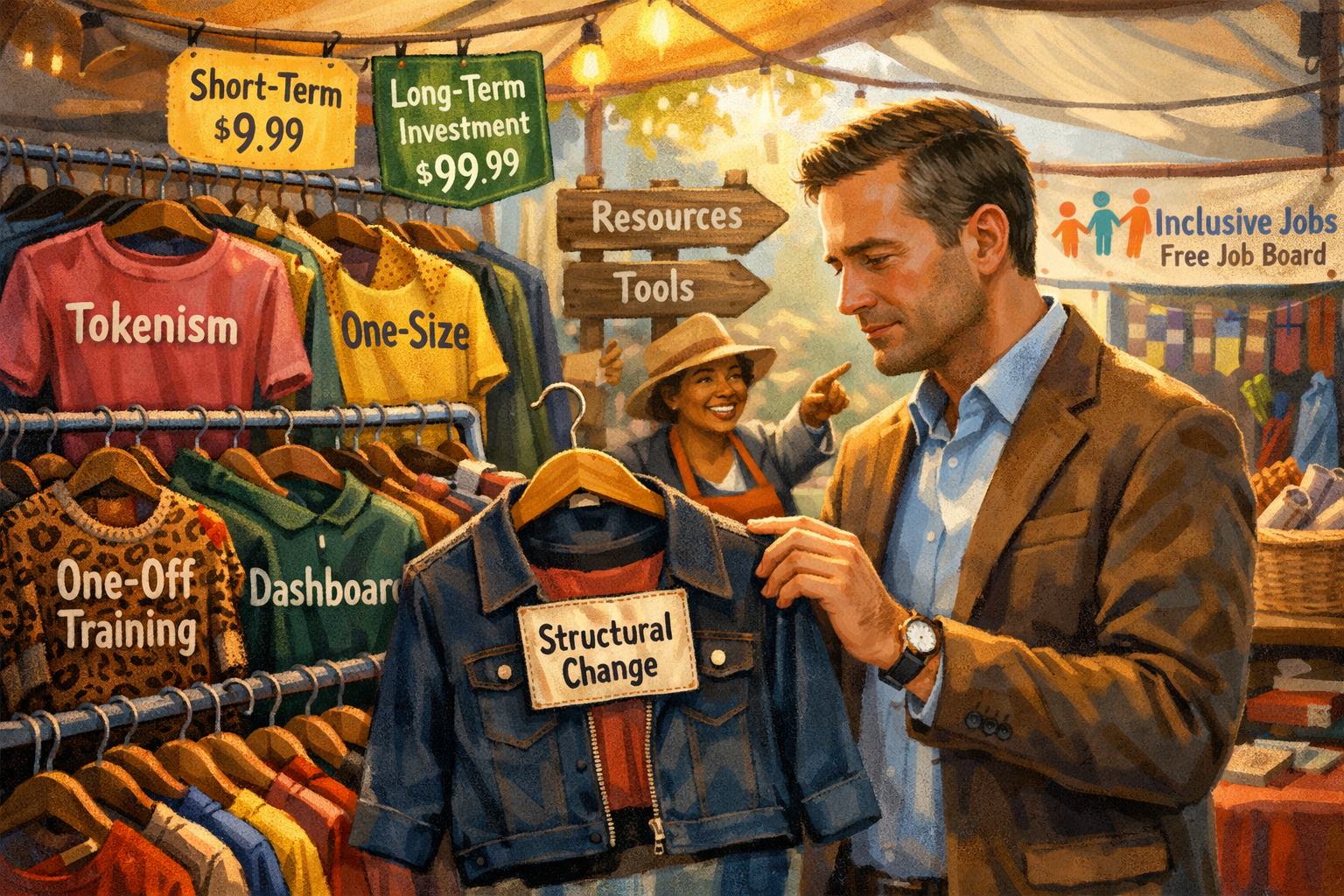
Shopping for BAME In The Workplace: A Strange Metaphor That Actually Works Imagine you’ve wandered into a market stall labelled “BAME In The Workplace” and you’re asked to pick a ready-made solution off the shelf. Affordable, pretty packaging, one-size-fits-all. Sounds convenient, right? The problem is nothing in the stall was grown, tailored or sourced with…
-
How Remote Work Is Quietly Solving Real-World Accessibility Problems

The Unexpected Lab: How Remote Teams Turn Homes into Accessibility R&D Hubs When we imagine accessibility research we often picture whiteboards, user labs and expensive equipment. But remote work has quietly decentralised that lab. People with lived experience of disability are using their own kitchens, living rooms and commutes as testing grounds for assistive tech…
-
Hidden Multipliers: How Neurodiversity Rewires Business Risk, Markets and Money

A different lens: neurodiversity as an economic shock-absorber When people talk about neurodiversity at work they usually talk about accommodation, fairness, or creativity. Here’s a different take: neurodiverse teams can act like macroeconomic shock-absorbers. Individuals with attention to detail, pattern recognition, intense focus or unconventional heuristics don’t just change day-to-day outputs — they create variance…
-
What’s Changed: The Subtle, Accelerating Evolution of LGBT Workplace Protections
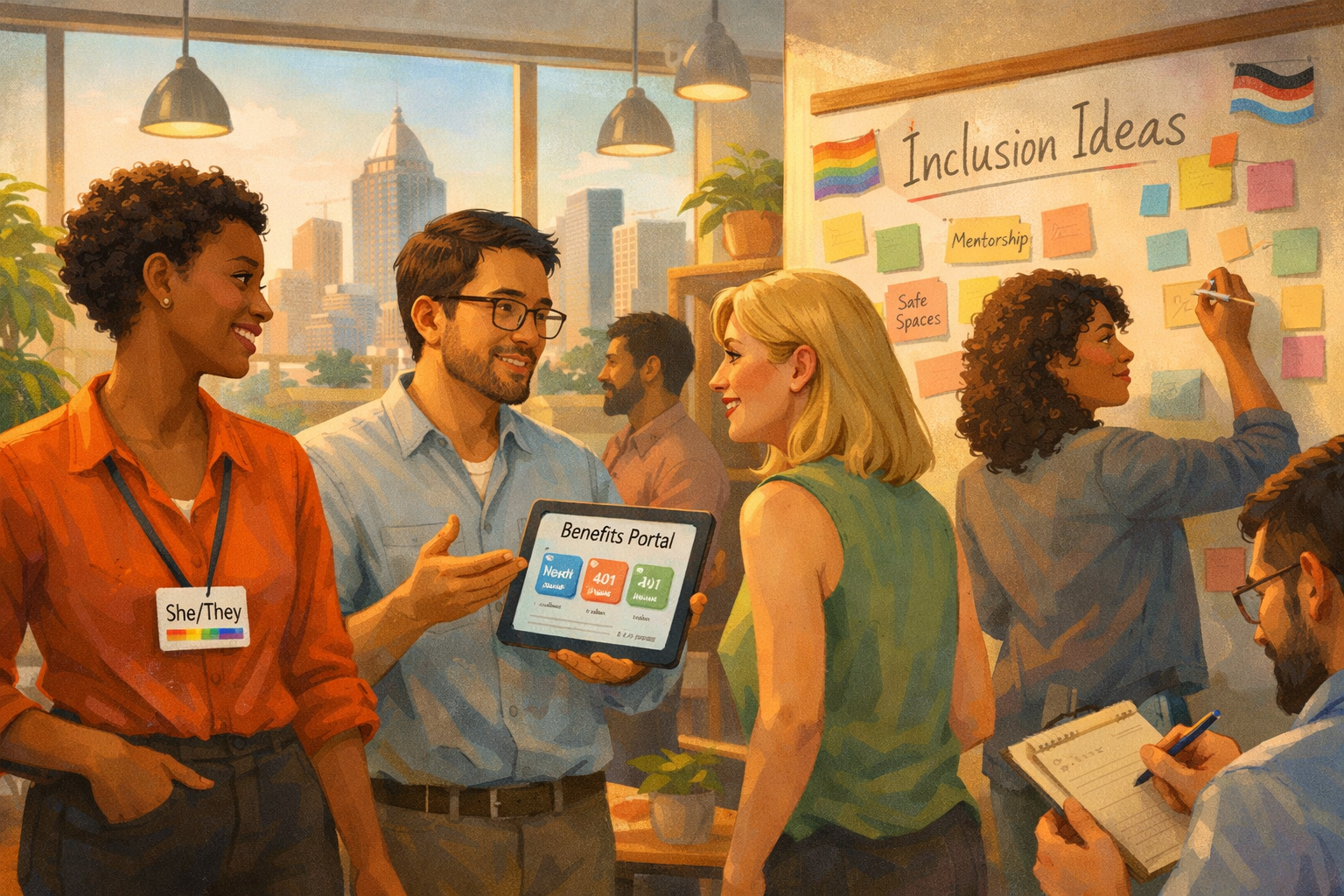
A quiet revolution: Why the last few years feel different If you’d asked someone in 2018 to predict what workplaces would look like for LGBT employees in 2026, their answer might have sounded timid. Yet change didn’t come as a single headline law or buzzy corporate initiative — it crept up through smaller, cumulative shifts.…

Pink Jobs Blog – Find a job, or list your vacancies on our free job board.
The latest Equal Opportunities based news from around the world.