
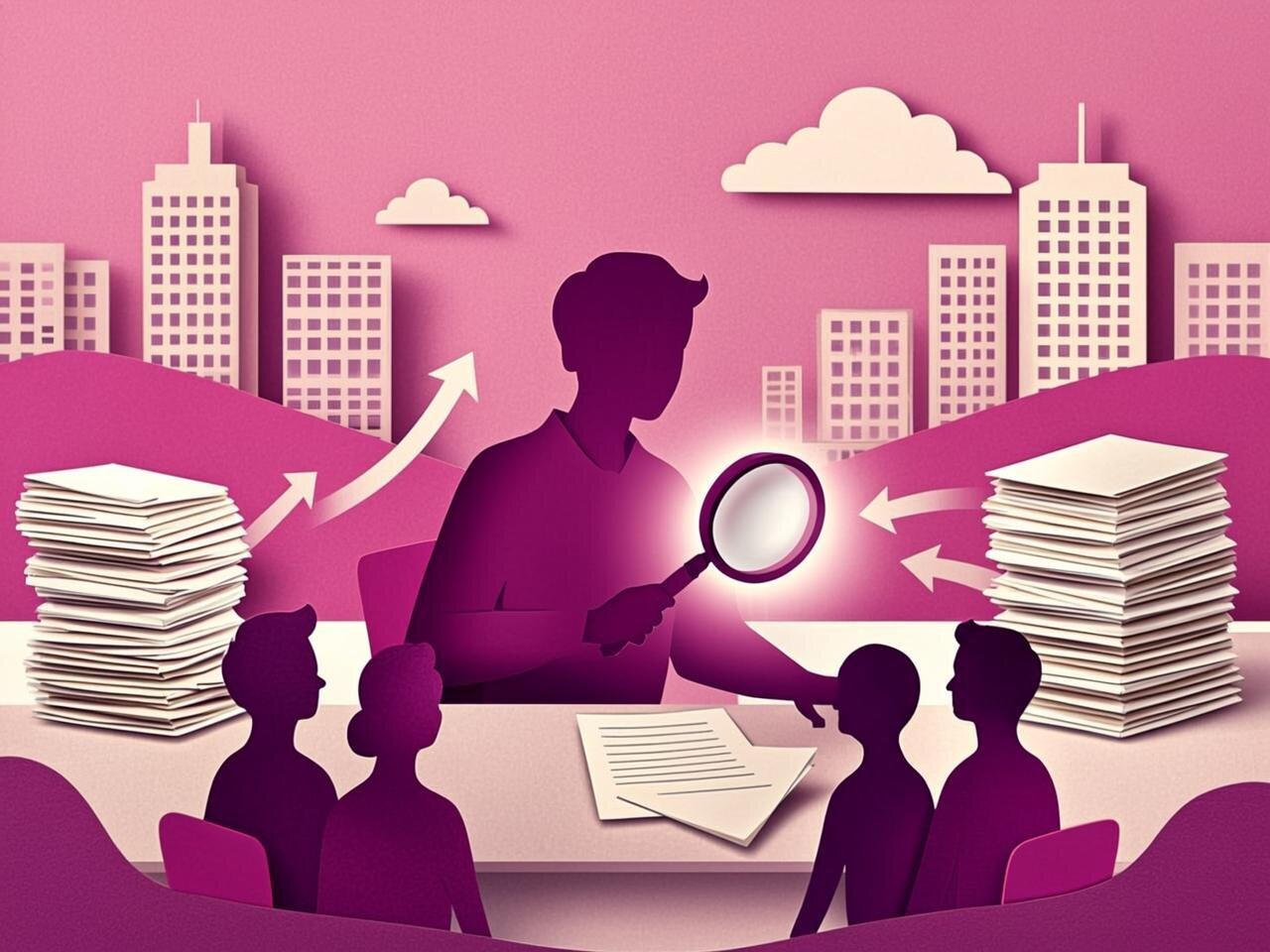
When the Hunters Became the Hunted
Here’s a plot twist nobody saw coming: the great optimisation of the digital job search hasn’t just made finding work easier — it’s flipped the entire power dynamic of recruitment. For decades, job hunting was a numbers game rigged in the employer’s favour. You’d fire off fifty CVs into the void, pray one landed on a human desk, and wait weeks for a response that often never came.
But something strange happened when job seekers started getting genuinely good at the digital game. Armed with keyword-optimised CVs, salary transparency tools, and platforms that surface opportunities the moment they’re posted, candidates began moving faster than the hiring machinery itself. Recruiters who once had the luxury of picking from a leisurely pile of applicants now scramble to respond before a strong candidate is snapped up elsewhere. The hunted, in a very real sense, started doing some hunting of their own.
The Algorithm Arms Race — and Who’s Actually Winning
Optimising your job search once meant sneaking keywords into your CV to appease the Applicant Tracking System robots. It felt slightly grubby, a bit like hiding Easter eggs for a machine that never smiles. But as millions of people learned these tricks, something unexpected happened: the ATS filters themselves had to evolve. Companies realised that filtering for exact keyword matches was excluding brilliant candidates who simply used different vocabulary.
The result is a quiet arms race that has, ironically, made hiring more human. Job boards began building smarter matching, skills-based filtering, and even AI assistants that translate a candidate’s real experience into language employers actually understand. Rather than gatekeeping, the technology has slowly bent towards advocacy. If you want to see this ethos in action, have a look at Pink-Jobs.com, a completely free job board built around the idea that job searching shouldn’t be paywalled, gated, or gamified against you. That philosophy — remove the friction, keep it free, let everyone in — is exactly the direction the whole industry is being dragged, whether it likes it or not.
The Death of the Spray-and-Pray Application
Perhaps the most surprising industry transformation is what optimisation did to volume-based job hunting. You’d assume better search tools would mean more applications per person. The opposite has occurred. When candidates can filter precisely — by salary, remote flexibility, company culture, even predicted response rates — they apply to fewer jobs and expect more from each one.
This has forced employers to up their game dramatically. Job adverts have become more honest (vague postings simply don’t attract optimised candidates), response times have compressed, and companies that ghost applicants now face public reputational consequences on review sites and forums. The optimised job seeker effectively audits employers in real time. It’s a form of accountability that no regulation ever managed to create, achieved entirely through people simply becoming better at searching.
The Rise of the Career Stack
The final unexpected twist: the digital job search is no longer a discrete event you do when unemployed. Optimisation culture has turned it into a continuous background process — a ‘career stack’ that runs alongside your working life. People maintain live profiles, cultivate search alerts, and keep their skills-matching data warm even when happily employed.
This has transformed the labour market itself into something more fluid and real-time, closer to a stock exchange of talent than a series of discrete transactions. Employers now compete continuously for people who aren’t even actively looking. Free, accessible platforms like Pink-Jobs.com lower the barrier to maintaining that always-on presence, meaning even casual browsers stay connected to opportunity without commitment or cost.
So the next time someone tells you job hunting is dehumanising, remind them: the optimisation revolution has, against all odds, made the market more transparent, more responsive, and — dare we say it — more human. The robots didn’t take over. They just handed us a better map.