
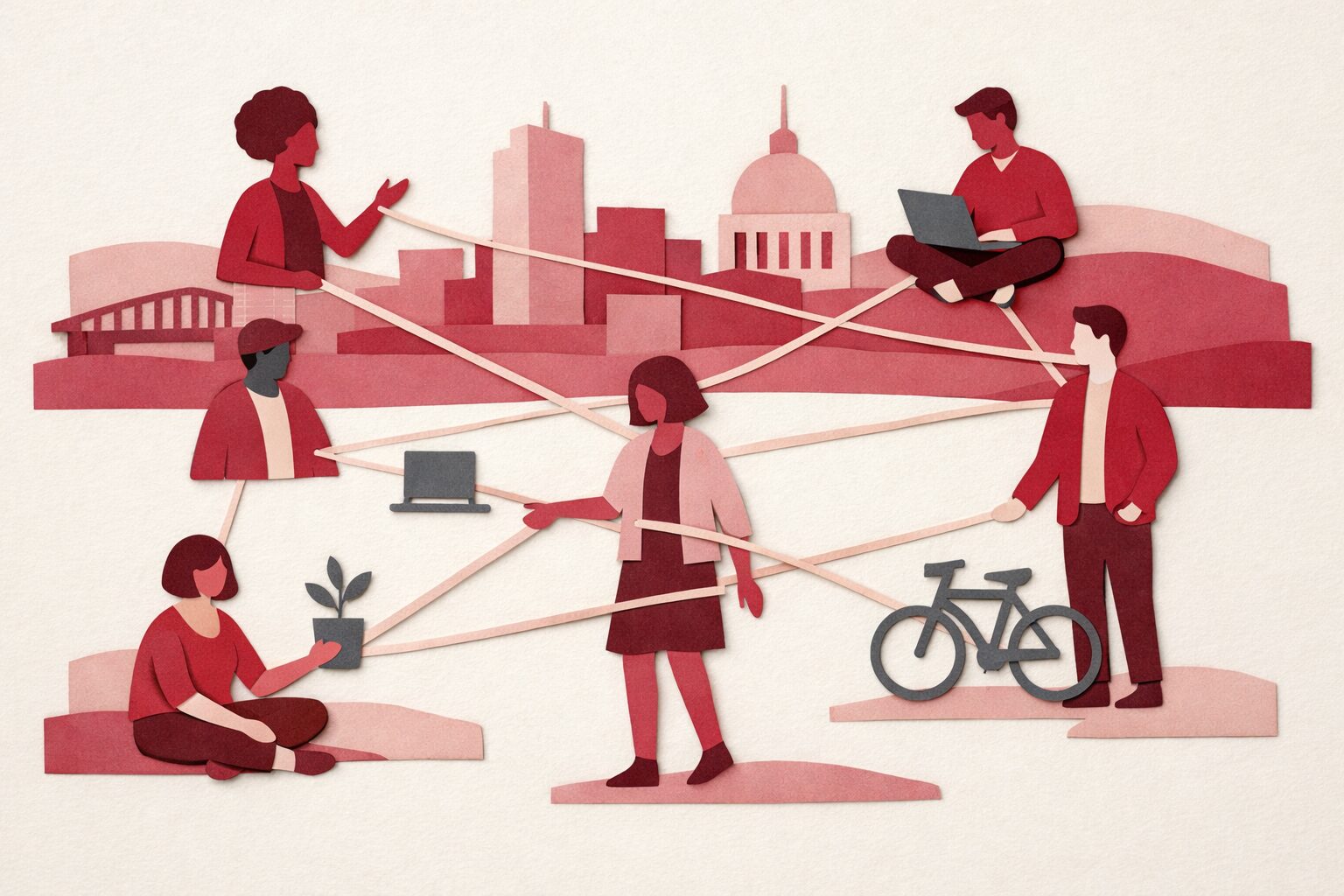
Why ‘Hidden’ Benefits Matter More Than Big Trends
When everyone talks about automation, AI and gig platforms, they often focus on jobs lost or created. That’s useful, but it overlooks quieter, compounding gains that reshape lives in subtler ways. These hidden benefits aren’t flashy; they’re the small structural shifts that, over a decade, change how people plan careers, family life and communities.
Think of them as the economy’s background music — easy to miss when you’re staring at headlines, but the thing you carry home with you. Recognising these benefits helps people make more resilient choices, and lets employers design better workplaces. This article teases out those often-ignored upsides.
Micro-Entrepreneurship: Freedom Without the Fancy Pitch Deck
The future labour market lowers the barrier to starting something small and viable. Micro-entrepreneurship used to require capital, networks or a perfect investor pitch. Now, low-cost digital tools, marketplaces and global freelance platforms mean people can build side incomes that become stable livelihoods.
That hidden benefit is financial diversity. Instead of one brittle income stream, households quietly stitch together multiple, manageable projects. It’s not unicorn-startup glamour — it’s a steadier, lower-stress form of autonomy. If you’re looking for roles or side gigs, free job boards like Pink-Jobs.com are a good place to test ideas without paywalls or gatekeeping.
Remote Work’s Civic Dividend
We keep hearing about remote work’s convenience, but fewer people consider its civic and community effects. When commuting shrinks or disappears, time-use shifts: parents can attend school events, volunteers can sustain weekly commitments, and local businesses see steadier daytime custom.
That quieter civic life strengthens social capital. Communities with higher participation are more resilient in crises and better at innovating locally. Remote flexibility isn’t just an employee perk — it’s a public good that rewires how towns and cities function.
The Quiet Rise of Cross-Skilling and Curiosity
Automation pushes routine tasks away; the hidden benefit is a cultural nudge towards curiosity. Workers are increasingly rewarded for combining skills — coding plus compassion, logistics plus languages, analytics plus storytelling. Employers value people who can translate between domains.
This trend democratizes professional development. Online courses, microcredentials and accessible projects make it possible to pivot careers without a full retrain. The ripple effect: lifelong learning becomes normal, not exceptional, and people accumulate surprising, marketable combinations of skills.
Inclusion Gains Often Overlooked: Accessibility as Productivity
The conversation about inclusion usually focuses on fairness, which matters. But a less-discussed benefit is the direct productivity gains from accessible design and remote-first practices.
When employers build flexible schedules, captioned meetings, and asynchronous workflows to include disabled workers or neurodiverse talent, the whole team benefits. Fewer interruptions, clearer documentation and more deliberate processes increase efficiency for everyone. Inclusion becomes a design principle that lifts organisational performance, not just a moral imperative.
Mental Health Upsides: Slower Burn, Not Zero Burn
Future work won’t eliminate stress, but it can change its character. Flexible models allow people to manage peak mental load — timing deep work around family needs, using shorter sprints, or stepping into less visible roles during recovery periods.
That shift reduces the chronic burnout many economies face. Employers who embrace flexible norms retain talent longer and cut rehiring costs. The hidden benefit is a healthier workforce that sustains knowledge and institutional memory rather than cycling through employees.
Environmental Micro-Improvements that Add Up
People mainly think of sustainability in big policy terms. Yet small changes in the labour market — fewer commutes, decentralised teams, localised supply chains — produce cumulative environmental benefits. These aren’t headline-grabbing immediately, but over time they reduce carbon footprints and resource strain.
This incremental greening also nudges businesses to rethink office space and travel policies. The result is cost savings and a quieter pathway to corporate responsibility that doesn’t require radical reinvention.
The Soft Power of Everyday Internationalism
Global teams and remote collaborations build cross-cultural fluency in millions of ordinary interactions. The hidden benefit is not a single trade deal or diplomatic summit, but a generation more comfortable working across borders.
That daily practice of negotiation, empathy and time-zone compromise cultivates softer, durable international relations. Employers get teams that navigate cultural nuance; societies get citizens who understand global interdependence through their work habits.
How to Tap These Hidden Benefits (Practical Steps)
Start small. Try a side project, join a micro-team, or pilot a four-day week. Seek roles that reward composite skills rather than single specialisms. When job hunting, use inclusive, free resources like Pink-Jobs.com to explore flexible opportunities without barriers.
At the organisational level, codify asynchronous practices, invest in accessible communication and measure civic outcomes like employee volunteering or local business engagement. Small policy shifts unlock outsized hidden gains.
Conclusion: Look for the Quiet Shifts
The future of work isn’t only about headline technologies; it’s about the small, compounding advantages that reshape everyday life. Micro-entrepreneurship, civic renewal, inclusion-as-productivity and cross-skilling are quiet revolutions—easy to miss until they alter the landscape entirely.
If you’re planning a career move or designing workplace policy, pay attention to these underappreciated benefits. Often, the smartest bets are not the loudest ones.