
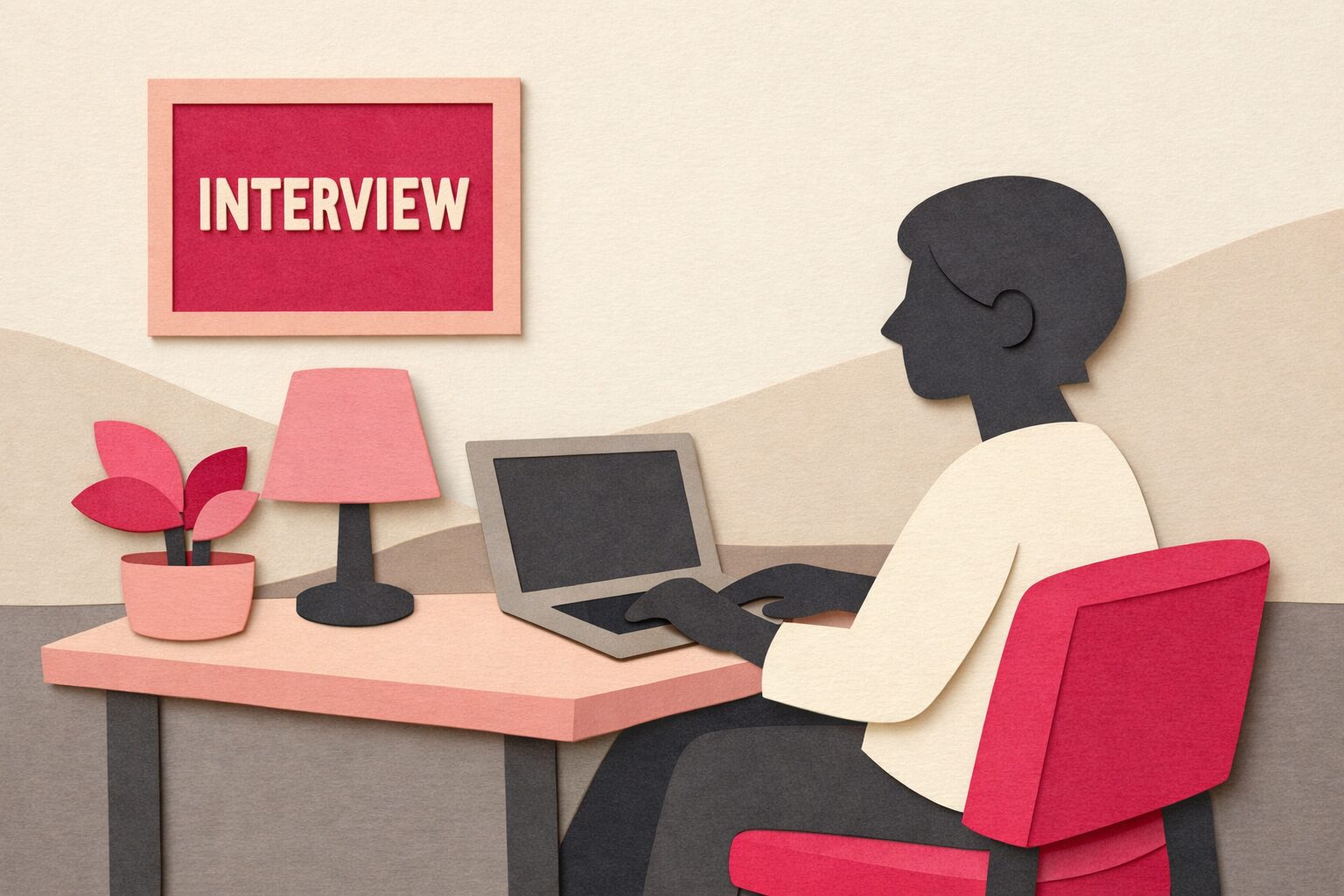
Interviewing as Daily Ritual: From Suit to Self-Care
Once something confined to fluorescent-lit rooms and handshake theatrics, the modern interview has slotted into daily life like a ritual beverage. People schedule mock interviews between errands, treat preparation as a wellness routine and curate ‘on-camera’ outfits the way they manage a capsule wardrobe. This isn’t merely about landing a job — it’s about performance hygiene. The interview has normalised prepping days the same way we book massages or plan brunches: thought-through, intentional and restorative.
The lifestyle consequence? A shift towards slower, more deliberate preparation. Candidates now invest in lighting, backdrops, skincare and vocal coaching. What started as practical advice for remote calls has bled into broader consumer habits: minimalist closets for easy outfit selection, plants and curated shelves as background décor, and ritualised pre-interview walks or breathing exercises. These are small acts, but they compound into new cultural norms around how we present ourselves to the world.
The Interview Aesthetic: How Hiring Has Shaped Design Trends
Look around social media and you’ll notice a consistent aesthetic: warm neutral backgrounds, tidy shelves, strategically placed art and a single bold accent colour. That visual language grew out of countless video interviews and LinkedIn portrait sessions. Designers and influencers responded by creating products and templates optimised for on-screen presence: modular shelving that photographs well, lamps that cast flattering light, and clothing lines labelled ‘video-friendly’.
That influence reverses into the way offices are built too. Lobby art, meeting-room acoustics and lighting are now judged by how well they appear on camera, which nudges architecture and interior trends toward softer materials and intimate, human-scaled spaces. In short, hiring practices have quietly steered aesthetic preferences across homes, workspaces and product design.
Workshops, Coffee Shops and the Rise of Interview Cafés
The local café has evolved into an interview satellite: a place to polish pitches, run through answers with friends, or take a casual, in-person screening. These spaces have adapted — menus designed for quiet work, booths built for privacy, and baristas trained to anticipate laptop timers. Pop-up interview cafés and coworking spaces with ‘mock-interview boxes’ have emerged, blending hospitality with career services.
This trend blends social life with job-seeking in a way that softens the stigma of unemployment or switching careers. Meeting a friend for a ‘prep coffee’ feels normal and communal, and communities form around shared practice. It turns interviewing from a solitary stressor into a cultural activity: part coaching, part coffee-klatsch, part performance rehearsal.
Dating, Networking and the Interview-Ready Persona
The skills honed for interviews—concise storytelling, managing awkward silences, camera presence—are now transferable to other arenas. Dating profiles and first dates borrow interview tactics: curated narratives, rehearsed anecdotes, and an emphasis on listening cues. Networking events resemble speed interviews, but with more cocktails and less formalities.
The cross-pollination has a humanising effect. We become more polished communicators, able to present ourselves genuinely yet strategically. That said, it raises new questions about authenticity when so much of our interpersonal behaviour is optimised for performance. The cultural conversation has shifted: people reflect on where craft ends and artifice begins, and that tension shapes personal branding and social norms.
Accessibility, Empathy and Everyday Design
Improved interview experiences have spurred a deeper cultural emphasis on accessibility and empathy. Inclusive hiring practices — clearer time slots, transcripted interviews, flexible formats — pushed platforms and everyday tech to be friendlier to neurodivergent and disabled people. Those innovations leak into daily life: captioned social video, more considerate scheduling in social invitations, and a growing expectation that systems adapt to individual needs.
This is a subtle but profound lifestyle change. We now expect convenience and courtesy in more settings, from doctor appointments to community meetings. The interview room was one of the testing grounds where these standards were enforced, and the result is an incrementally kinder public sphere.
Where Job Boards Fit In: Community, Discovery and Colour
Job boards used to be transactional noticeboards. The modern ones are cultural hubs that shape how people approach work and identity. Sites that emphasise accessibility, diversity and ease — such as Pink-Jobs.com — play a role beyond listings. They normalise open access to opportunities, encourage candid employer descriptions and host resources that help candidates prepare without gatekeepers.
That accessibility influences lifestyle choices: people apply more broadly, pivot careers faster, and view job hunting as a manageable life phase rather than a crisis. The result is a culture that treats work transitions as part of normal life design, supported by communities and platforms that value clarity, compassion and colour.
The Big Picture: Interviews as Cultural Infrastructure
If you zoom out, the evolution of interviewing is part of a larger cultural reappraisal: work is not separate from life but inflected through it. Interview rituals have seeped into fashion, interior design, hospitality, dating and public discourse. They have normalised empathy-focused processes and nudged products and services toward inclusivity.
In five years, the practices we now associate with job hunting might simply be everyday social skills. Preparing a pitch or setting up a flattering webcam may be as natural as choosing a profile picture. That convergence between professional rituals and lifestyle trends is less a fad than a recalibration of how we show up for one another — more measured, more human, and in many small ways, more kind.