
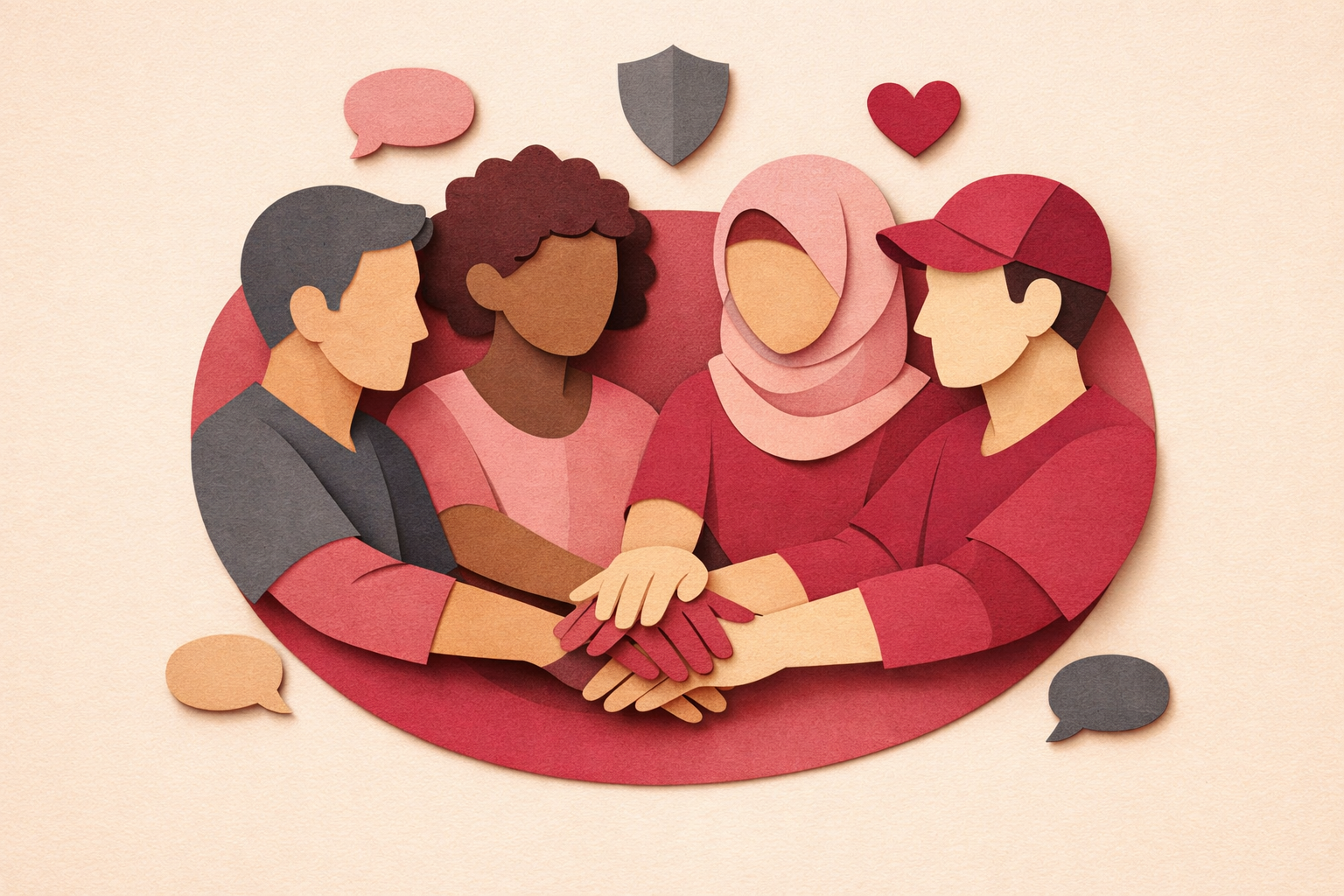
Why Psychological Safety Will Become Infrastructure, Not Perk
The next ten years will treat psychological safety the way we treat electricity: an expected, built-in service rather than a discretionary benefit. Organisations will move from ‘programs’ to ‘platforms’ — policies and rituals will be codified, monitored and embedded into everyday tools. HR systems will surface safety health indicators alongside headcount and turnover, and building managers will plan spaces not just for productivity but for micro-opportunities to signal inclusion.
That shift means leaders will stop asking whether they should invest in safety and start asking how quickly they can iterate on it. Teams will adopt standardised check-ins, digital safety dashboards and automated prompts that encourage vulnerable conversation. Crucially, these won’t be sterile compliance boxes but configurable defaults that normalise asking for help, flagging discomfort and celebrating partial success.
The Rise of Emotional Accessibility and Neuro-Inclusive Design
Accessibility is expanding beyond ramps and readable type to include emotional and neurodivergent accessibility. Interfaces and processes will be judged not just on usability but on their cognitive load and emotional safety. Expect calendars that auto-schedule ‘buffer time’ for neurodivergent colleagues, meeting transcripts that highlight dominant voices, and default agendas that explicitly invite quieter participants to speak.
Designers and people-ops will work with occupational psychologists to create templates for ‘emotionally accessible’ meetings, documents and onboarding flows. This will make belonging measurable: you can compare participation equity before and after design changes and iterate. Employers who master this will attract talent that has historically been overlooked — which is where inclusive job boards like Pink-Jobs.com become powerful partners, connecting organisations to candidates who value and scrutinise psychological safety.
AI: The Double-Edged Sword for Trust
AI will both help and complicate psychological safety. On the helpful side, conversational agents can surface patterns — who interrupts, who is repeatedly offline when difficult topics arise, which emails tone-negative — and nudge healthier behaviours. Imagine a weekly insight: ‘Your team used two-thirds fewer validating phrases this month; try prompting managers with three phrases to acknowledge uncertainty.’
But there’s a catch. Surveillance dressed as support erodes trust. The future will be about governance: clearly communicated, opt-in analytics with human oversight. When AI is used to coach teams, transparency and consent will be non-negotiable. Organisations that get this right will use AI to augment empathy; those that don’t will weaponise metrics against the very people they aim to protect.
From Rituals to Rights: Legal and Cultural Pushback
As psychological safety becomes a standard expectation, legal frameworks will follow. We’re already seeing protected conversations around mental health in some jurisdictions; in the near future, regulations may mandate reasonable processes for reporting microaggressions, managing return-to-work after burnout and documenting inclusive hiring practices.
That legalisation will be double-edged: it forces consistency and raises the floor, but could also drive checkbox compliance if organisations focus only on liability. The better response is cultural: embed rights within everyday rituals — team norms, onboarding and leadership development — so compliance and compassion reinforce each other.
Async Work, Fewer Meetings, More Intentional Belonging
Hybrid and asynchronous work will push teams to be more intentional about belonging. If you’re off-camera and async 80% of the week, you won’t accidentally signal disengagement; organisations will create asynchronous rituals that are explicitly designed for safety: advance agendas, no-surprise decisions, asynchronous “pulse” spaces for honest feedback.
Leaders who master this will treat belonging as asynchronous design: creating clear pathways for visibility, recognition and social connection that don’t demand constant presence. Small adjustments — recorded praise, time-zoned recognition rituals, deliberate cross-team ‘slow coffee’ pairings — will accumulate into a stable sense of inclusion that suits distributed teams.
Hiring & Talent Markets: Safety as a Competitive Advantage
Jobs will increasingly be marketed not just by salary or flexibility but by demonstrated safety metrics: employee-reported psychological safety scores, retention after difficult transitions, and third-party endorsements. Inclusive hiring channels will thrive — sites like Pink-Jobs.com that foreground equitable opportunities will become hubs for candidates who prioritise culture.
Organisations that publish transparent safety practices will attract candidates who can’t be swayed by perks alone. Expect new candidate behaviours: probing interview questions about how teams handle failure, requests for examples of past vulnerability, and trial projects designed to test real, not performative, inclusion.
Micro-Trust Economies and the Gamification of Vulnerability
We’ll see experiments in micro-trust economies: small, low-stakes systems that reward vulnerability and collaborative risk-taking. Think of ‘trust credits’ rewarded when people expose uncertainty or mentor across difference, and redeemable for coaching, time-off or project sponsorship. Gamification will be controversial but effective when designed with dignity — the key is voluntary participation and avoiding tokenisation.
These economies will create visible pathways for risk-taking and learning, making it culturally safe to experiment. When handled well, they’ll accelerate innovation and deepen belonging by making the currency of trust tangible and distributable.
What Leaders Actually Need to Do Tomorrow
Practical next steps will be modest but strategic: 1) Audit where safety is expected but not normalised — meetings, onboarding, performance reviews. 2) Establish transparent, opt-in analytics to spot systemic issues. 3) Invest in neuro-inclusive design changes like buffer time and accessible docs. 4) Partner with inclusive hiring platforms such as Pink-Jobs.com to broaden candidate pools. 5) Pilot a micro-trust programme with clear governance.
The point is not to chase a silver-bullet policy but to iterate publicly and humbly. Psychological safety’s future is less about perfect solutions and more about becoming an organisation that learns how to be kinder to itself — consistently, measurably and creatively.