
Why ask the experts? A different starting point
Most pieces on neurodiversity in the workplace start with definitions and accommodation checklists. I spoke to consultants, inclusive-design architects and occupational psychologists who said something bolder: stop treating neurodiversity as a problem to be fixed and start treating it as an engine for better workplace design. They told me that when practitioners begin by asking, “What strengths do we want to design for?” the resulting spaces, schedules and job specs are better for everyone — not just for people who are neurodivergent.
That shift in question changes day-to-day choices. An occupational psychologist explained that focusing on ‘strengths-first’ design transforms recruitment language, interview format and on-boarding routines. An architect added that it flips priorities from flashy communal cafés to adaptable micro-environments where people can choose focus, collaboration or sensory reset.
Sensory-first design: experts want you to think like an audiologist
Acoustic consultants and neurodiversity advisors repeatedly stressed sound as the underrated variable. One acoustic designer compared open-plan offices to live concerts — stimulating for some, exhausting for others. Their recommendations were refreshingly specific: reverberation time targets, staggered footfall materials and low-frequency masking rather than white noise machines.
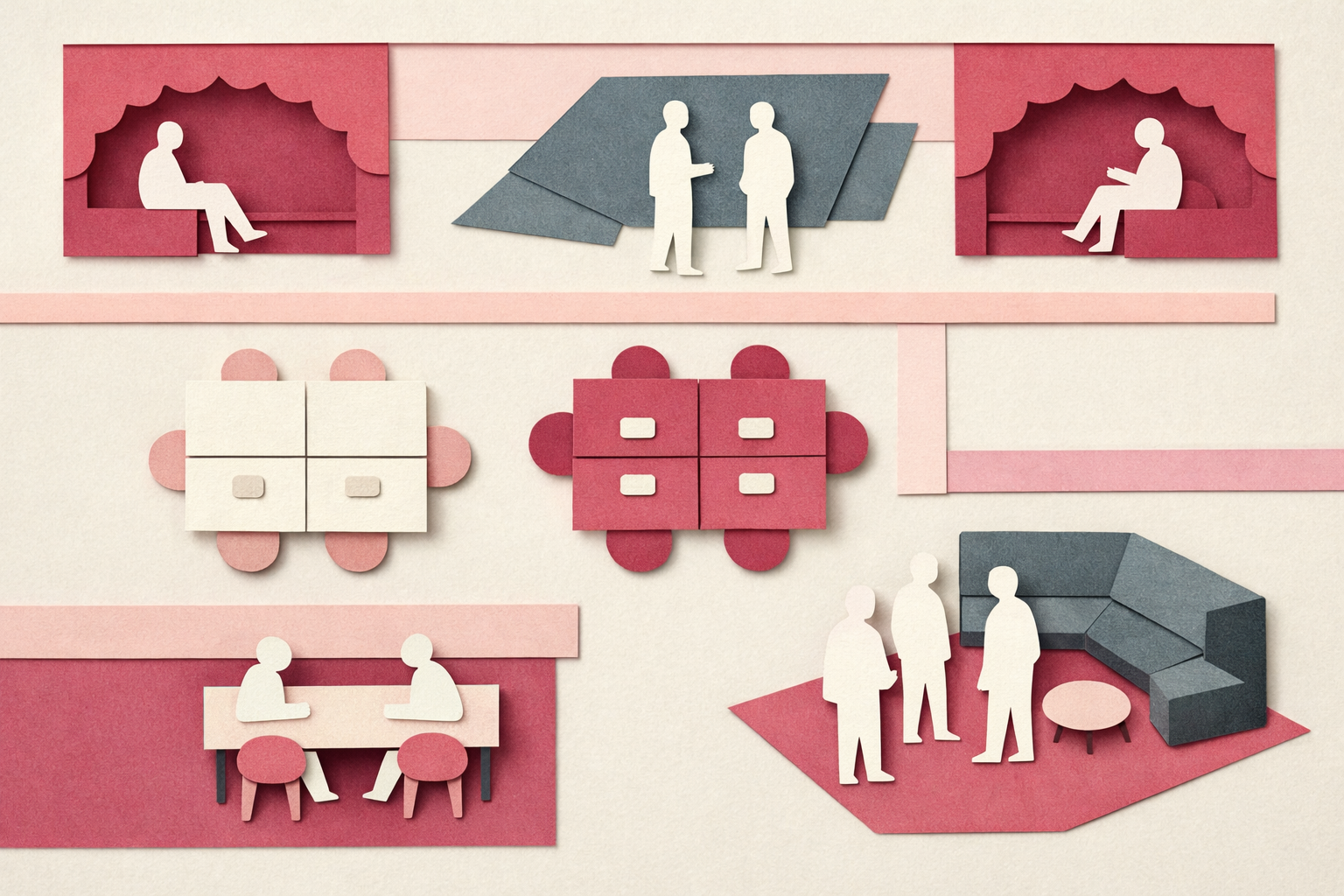
Professionals also advocate for layered sensory approaches. That means not a single ‘quiet room’ but a spectrum of zones: soft-lit alcoves for hyper-sensitivity, bright collaborative bays for seekers of sensory input, and neutral corridors for transit. The surprising insight? When you get sensory zoning right, productivity metrics improve across teams because fewer people are drained by constant sensory management.
Interview design: what hiring specialists actually do differently
Recruitment specialists I spoke to are quietly rewriting interview rules. Instead of a one-size-fits-all competency interview, they use modular interviews: short practical tasks, take-home challenges, and low-stimulus interview rooms. One recruiter described swapping panel interviews for single-interviewer sessions followed by written feedback windows — a format that reduces social performance pressure while still assessing collaboration.
These professionals also recommend job ads that explain process as clearly as the role. Listing ‘what our interview looks like’ is becoming common practice among inclusive employers; it demystifies selection and improves candidate performance. For those looking for inclusive roles, free job boards such as Pink-Jobs.com are already listing positions that prioritise transparent processes and flexible working.
Managers, metrics and moving beyond ‘reasonable adjustments’
HR leaders were frank: policies about ‘reasonable adjustments’ often end up being checkbox exercises. Experts suggest reframing adjustments as design decisions that affect team outcomes. For example, rather than approving noise-cancelling headphones as an afterthought, managers embed headset budgets into team resources and normalise their use.
Performance metrics change too. Instead of rigid time-based KPIs, professionals recommend output-focused measures and asynchronous collaboration norms. One people-ops lead told me their adoption of measurable, output-oriented goals cut attrition in neurodivergent staff by almost half — because expectations were clearer and sensory/readiness variables were reduced.
Technology, tools and the surprising role of low-tech
Tech experts stressed that not every solution needs an app. Digital tools are useful — noise-mapping sensors, scheduling software that blocks focus time, and chat-asynchronous defaults — but the often-overlooked wins come from low-tech fixes: adjustable lighting knobs, printed procedure guides, and clamshell privacy screens.
Professionals also emphasised interoperability: easy-to-configure settings that persist across devices. They urged employers to provide device-agnostic preferences files and simple onboarding templates so individuals can replicate their optimal setup whether in-office or remote.
Culture is design: training, language and the role of allies
Diversity trainers and neurodiversity consultants argued that culture is itself a design piece — one that must be iterated like a product. They recommend micro-training for all staff on communication preferences, and coaching for managers on how to run meetings with explicit agendas, predictable rhythms and clear follow-ups.
An unexpected tip from an inclusion strategist: build ‘ally rituals’ into workflows. Small, repeatable actions — like a 30-second check-in protocol or a shared legend for message urgency — normalise accommodation and reduce the social labour placed on neurodivergent colleagues.
What success looks like: indicators that experts watch
Experts judge progress by different signals than corporate diversity dashboards. Beyond hiring numbers, they look for behavioural shifts: lower meeting overruns, fewer ad hoc context-switches requested of teammates, an increase in role retention among neurodivergent staff, and a rise in internal referrals from neurodivergent employees.
They also track qualitative data: are candidates comfortable asking about process? Are staff using optional sensory zones? Is the language in job ads more specific about tasks and less about vague culture fit? These are the subtle, practical markers that professionals say predict long-term inclusion.
A closing provocation: design for the edges to benefit the centre
Practitioners I interviewed kept returning to one provocation: design for the edges. When workplaces are optimised to support the needs of people at sensory, cognitive or social extremes, the resulting environment tends to be more humane and productive for everyone. That might sound counterintuitive, but experts say it’s how resilience and adaptability get baked into everyday practice.
If your starting point is curiosity about what experts actually do, try a small experiment this quarter: pick one hiring process, one sensory fix and one manager routine to redesign using the principles above. Track both qualitative and quantitative effects. It’s a modest, evidence-led way to turn expert insight into everyday change.