
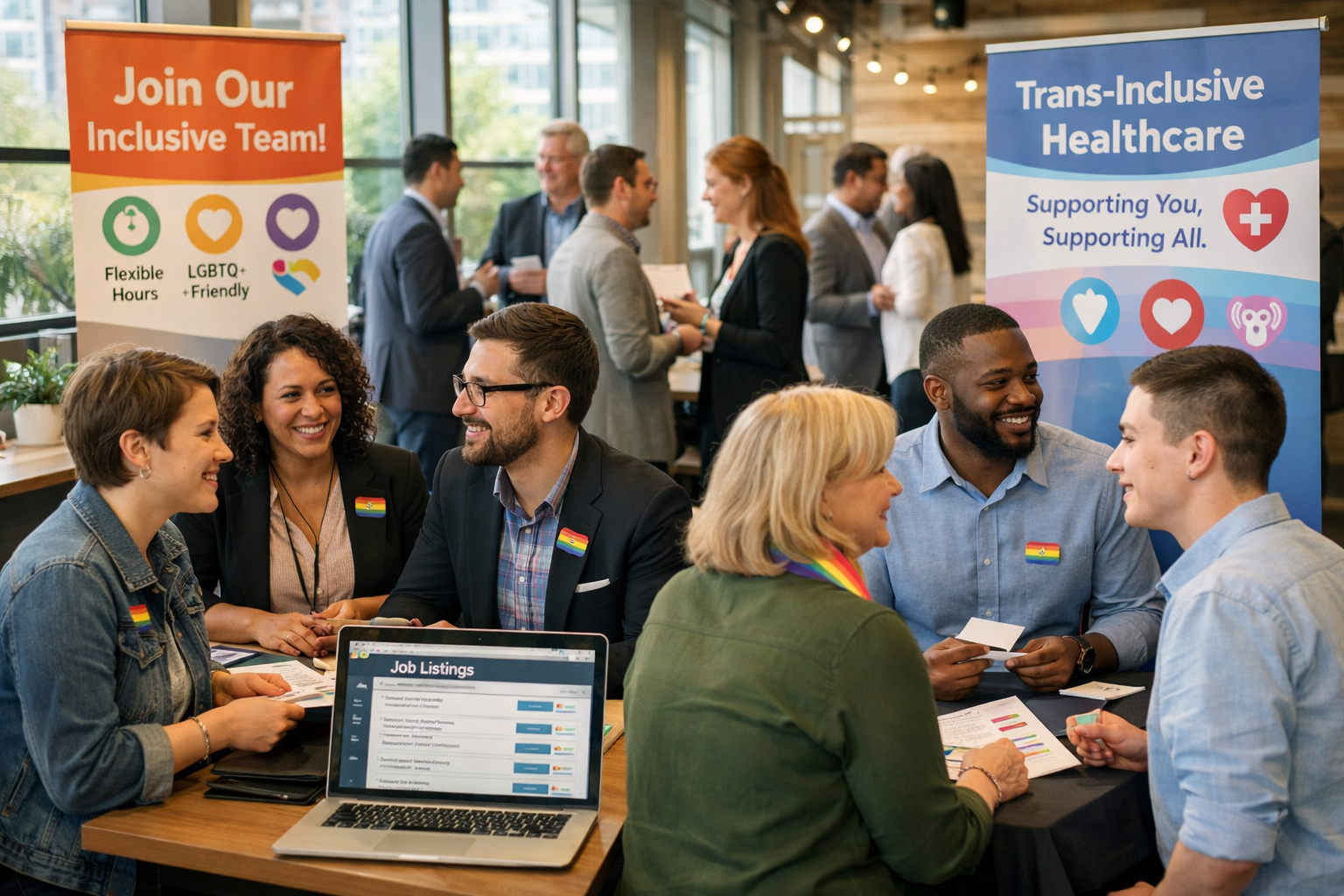
Why LGBT Job Boards Matter
Specialist LGBT job boards play a vital role in today’s employment landscape by creating safer, more inclusive spaces for LGBTQ+ candidates to search for work. Many mainstream job platforms do not capture the nuances of workplace culture, policies and community support that matter to queer applicants. Dedicated job boards help address this gap by highlighting employers who proactively support diversity, equity and inclusion, and by amplifying roles in organisations that explicitly welcome LGBTQ+ talent.
Beyond signalling, these boards reduce friction in the job search process: candidates can focus on employers with LGBTQ+ allies, inclusive benefits, and clear anti-discrimination policies, saving time and emotional labour. They also provide a space where employers can demonstrate concrete commitments rather than relying on vague statements.
Key Features to Look For
When evaluating an LGBT job board, candidates and employers should consider several practical features. First, search and filter capabilities for region, sector and remote work are essential for effective job matching. Second, clear labelling of employer inclusivity — for example, whether an organisation has LGBTQ+ employee resource groups, trans-inclusive healthcare, or gender-neutral facilities — helps candidates make informed choices.
Third, community resources such as career advice, CV clinics and interview coaching add value beyond listings, helping candidates progress in their careers. Fourth, robust privacy controls are important for users who may not be publicly out; options to control profile visibility and contact information should be standard. Finally, ease of access and affordability matter: free or low-cost platforms democratise opportunities for marginalised jobseekers.
Benefits for Employers
Recruiting through LGBT-specific job boards allows employers to reach diverse talent pools and demonstrate genuine commitment to inclusion. These boards attract candidates who value workplace culture and will likely be more engaged and retain longer if their values align with the employer’s.
Employers can also use job board profiles to outline inclusive policies, benefits and employee-led initiatives, making it easier to build trust with prospective hires. Small and medium-sized businesses that might not have sophisticated diversity programmes can still compete for talent by transparently sharing their inclusive practices on these platforms.
How to Get the Most from a Job Board
For candidates: craft a clear, honest profile that highlights your skills and what you need from an employer in terms of inclusion. Use filters to target roles that meet your practical and cultural requirements, and take advantage of any coaching or networking events the site offers. Protect your privacy where necessary by using the platform’s visibility settings.
For employers: create detailed job descriptions that emphasise inclusive policies and benefits, and consider investing in employer branding content that showcases employee experiences. Engage with the community through events, webinars and mentorship to build long-term visibility and trust.
Where to Start Today
There are a variety of LGBT job boards serving different regions and sectors, including platforms that operate free of charge to users. For example, Pink-Jobs.com is a free job board open to everyone, offering searchable listings and resources aimed at connecting LGBTQ+ candidates with inclusive employers. Exploring multiple boards and combining them with mainstream job sites can maximise reach and opportunity.
Additionally, local LGBTQ+ organisations and professional networks frequently partner with job boards to host sector-specific hiring events, which can be another effective entry point for both jobseekers and recruiters.
Trends and Future Directions
The landscape of LGBT recruitment continues to evolve as employers increasingly recognise the business and ethical case for inclusion. Expect to see deeper data-driven matching, more granular inclusivity badges (for areas like trans-inclusive healthcare or parental leave), and expanded virtual hiring events. Additionally, intersectional approaches that consider race, disability and socioeconomic background alongside sexual orientation and gender identity will become more prominent.
Job boards that prioritise privacy, transparency and community engagement will be better placed to serve both candidates and employers as the market matures.